
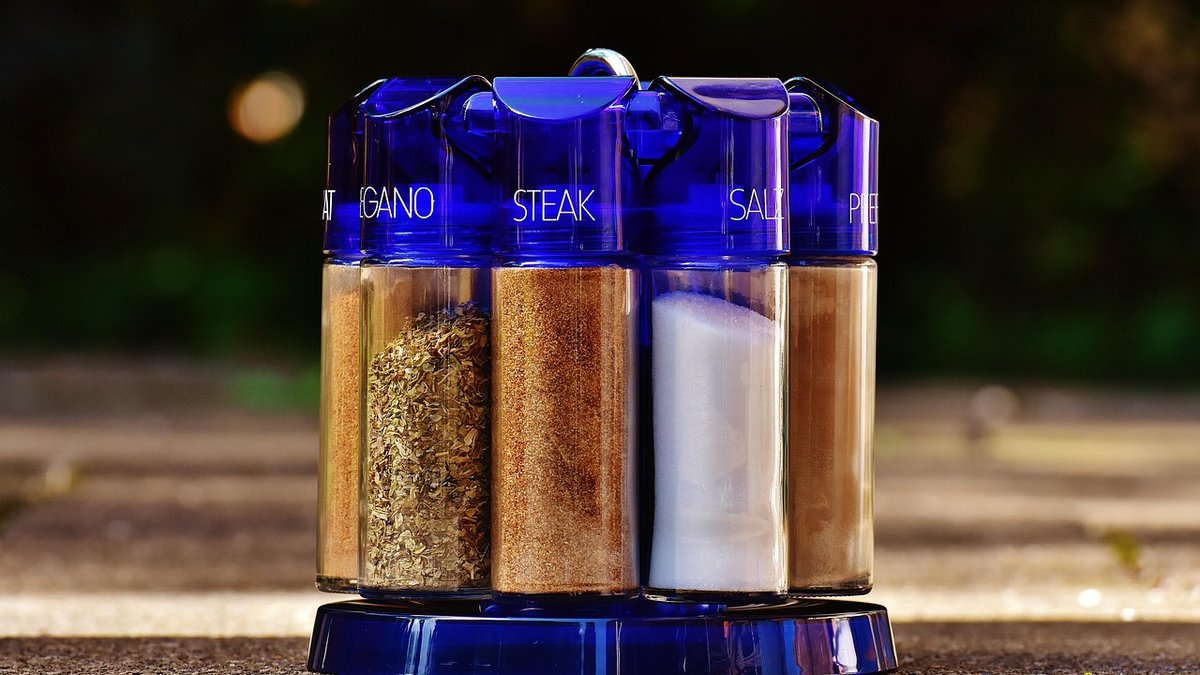
A tiny country kitchen asks a lot of you. It is the room where boots are pulled off, jam is stirred, dogs are fed and the kettle never quite goes cold — yet it often has less cupboard space than a modern flat's hallway. The good news is that cottage kitchens have something modern kitchens lack: thick walls, high ceilings, deep window recesses and a great many nooks that were never designed for anything in particular. Fill those nooks thoughtfully and you can very nearly double what the room will hold, without turning it into a showroom.
Wall space is the most wasted resource in a small kitchen. In a cottage, the walls are often uneven, lime-plastered and best left visible, so choose fixings that look as though they belong: a long wooden peg rail, a wrought-iron hook strip, a slim shelf on simple brackets. None of these need to be deep to be useful.
If you are lucky enough to have a deep window recess, use it. A single shelf or a slim tension rod across the opening will hold spice jars, small pots of herbs or a row of preserving jars, and the light makes everything look cheerful rather than cluttered.
The mistake most of us make is thinking in one plane. In a compact kitchen, storage works in tiers: a shelf at high level, hooks beneath it, a rail below that, and baskets on the floor. A single tall wall can carry four usable levels if each one is doing a different job.
Under an existing shelf, screw in a row of small cup hooks for cups and measures. Under the top shelf of a dresser, add a shallow tray for teaspoons, matches and corks. On top of wall cupboards — a space usually reserved for dust — line up wicker baskets or enamel tins to hold things you need only now and then: Christmas pudding basins, extra serving dishes, the good tablecloth. Label them with luggage tags or chalk labels so you are not climbing up to peer inside every time. Remember that a basket on the floor beside the dresser is storage too, and it looks far better than a stack of carrier bags.
Not everything needs a door. In a small kitchen, hiding everything away costs you space in cupboard fronts, hinges and clearance. Open storage in the right containers adds warmth and texture — and it is far quicker to use, which means things actually go back where they belong.
Choose materials that suit a country room: willow, seagrass, jute, aged zinc, enamel, terracotta, unvarnished wood. A set of stacking wicker baskets in an alcove will hold root vegetables, onions, dog biscuits and tea towels. A long-handled trug hung on the back of the door is perfect for veg from the garden, and a second smaller one for the peg bag. Use glass jars on an open shelf for flour, oats, rice and pulses so you can see at a glance when you are running low, and keep a shallow bowl or tray for the everyday things that otherwise drift across the worktop.
Every old kitchen has them: the gap beside the cooker, the space under the sink with a pipe running through it, the corner cupboard that swallows whatever you push into it. These are the places where a little planning pays best.
A slim, wheeled trolley or a three-tier basket stand will slip into a 20cm gap beside the cooker and hold oils, vinegars, salt, pepper and the wooden spoons. Under the sink, fit a short shelf that sits above the pipework, or use a couple of stackable crates with a cut-out for the U-bend — cleaning cloths, washing-up liquid and bin liners all live happily there. In corner cupboards, use a lazy Susan or two stacked turntables; nothing gets lost and nothing needs unpacking to be reached. A sturdy step stool is worth its floor footprint in a small kitchen, because it makes the high shelves genuinely usable rather than decorative.
The most effective storage trick is subtraction. Kitchen appliances multiply quietly, and a small country kitchen cannot host them all. Decide what earns its worktop: the kettle, the toaster if you use it daily, the coffee grinder if you are particular. Everything else — the slow cooker, the food processor, the ice cream maker — should live elsewhere, in a pantry cupboard, an outbuilding or a box in the utility room, and come out when it is wanted.
Then look again at the things you keep in the kitchen out of habit. Vases, cookbooks, paperwork, the ironing pile. A stack of cookbooks can go on a high shelf above the door or on a wall bracket in the hall. Paperwork belongs in a basket by the door, dealt with weekly. And that narrow bookcase you have been meaning to move? It will hold far more than the same width of wall cupboard, and it lifts the whole room.
Cottage kitchens work best when they change with the year. In autumn, the basket by the door holds apples and the shelf fills with jam jars; in spring, it is seed trays and a trug for cut daffodils. Swap preserves into a box in the larder when the season turns, and the room stays clear without feeling stripped.
Finally, resist the urge to fill every surface. Leave one worktop stretch bare, one shelf with breathing space, one wall with nothing on it. In a small room, emptiness is not wasted space — it is what allows the hooks, baskets and shelves you have added to feel calm, generous and properly yours.

Hi, my name is Anthony kuber. I am artist and fashion designer.
I love to travel and writing blogging.
Your email address will not be published. Required fields are marked *
Software Developer & Writer
Hey, I'm Diva, a developer and writer blending code and creativity. I'm driven by a deep curiosity and a relentless pursuit of excellence. Join me as I craft digital solutions and captivating stories.


