
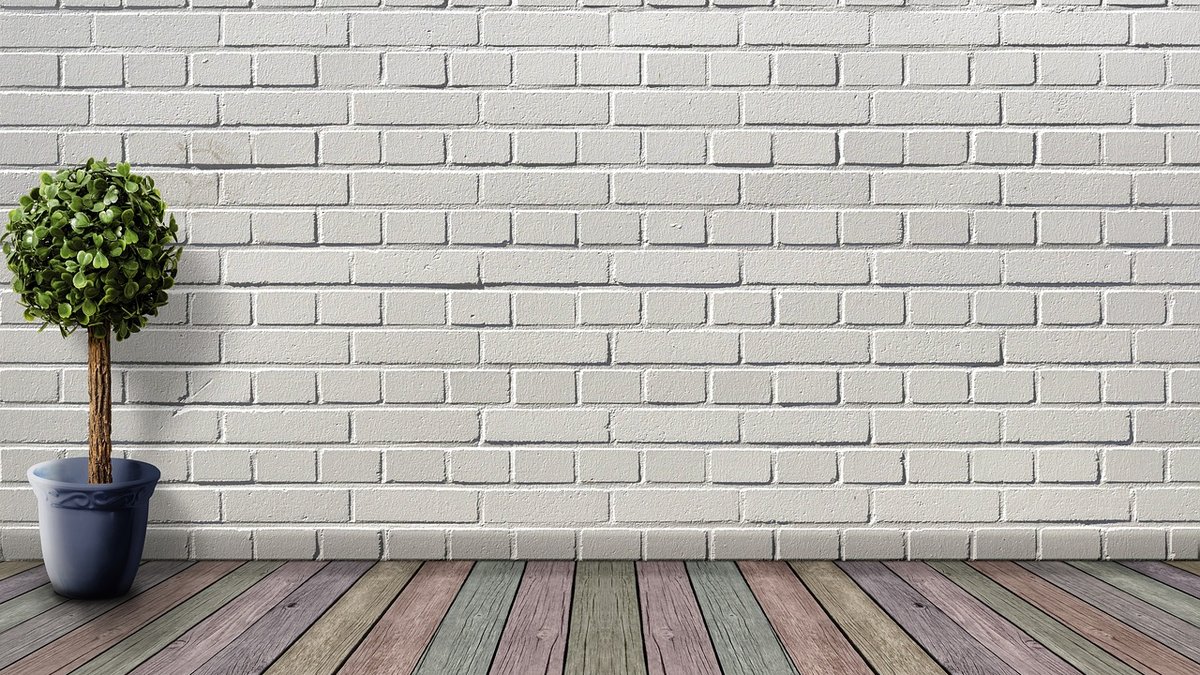
Before you buy a single cushion, spend ten minutes looking at the bones of the room. Most cottages come with a head start: uneven lime plaster, a wonky beam, an old flagstone floor, a bricked-up inglenook. These surfaces are already texture. The trick is to layer softness and warmth against them rather than covering them up. If you paper over every lump and bump with smooth modern finishes, you lose the very thing that makes a cottage feel like a cottage.
So work with three families of texture: soft (linen, cotton, wool, sheepskin), hard (stone, brick, timber, metal) and living (houseplants, dried stems, a log basket, a dog basket). A cosy room usually has all three in view from the sofa. Clutter happens when you have six things from the same family crowding one another; depth happens when they contrast.
The quickest way to make a small cottage room feel stuffy is a pile of mismatched throws. Aim for two or three textiles that vary in weight and weave, then repeat them around the room so the eye reads them as intentional.
Keep the palette tight. Cream, oat, clay, sage and a deep accent such as russet or navy will hold together even when the weaves differ wildly. If everything is a different colour and a different texture, the room starts to shout.
Wood is the quiet workhorse of cottage texture. A scrubbed pine table, a dark oak dresser, a few elm floorboards that have gone silver at the edges — each has a grain and a patina that manufactured board simply cannot match. You do not need to match the woods. Cottage rooms look better when a pale ash stool sits beside a blackened oak beam, provided the tones are all warm rather than orange.
If you are short on original timber, bring in one or two aged pieces rather than a whole matching set. A battered trunk as a coffee table, a butcher's block on castors, a ladder-back chair by the fire. Wax them with a clear beeswax polish rather than varnishing; the point is to feel the grain under your hand, not to seal it away behind a shine.
Texture has a weight as well as a feel, and small rooms respond well to a simple rule — keep the heaviest textures low and the lightest high. Think a thick wool rug or rush matting on the floor, mid-weight upholstery at seat height, and fine linen or voile at the window. This vertical gradient stops a low-beamed room from feeling compressed.
Windows are where this matters most. Heavy curtains floor-to-ceiling in a tiny room can swallow the light. Instead, try a single layer of washed linen on a slim iron pole, or half-curtains in a deep-set cottage window with a simple Roman blind in a lighter weave above. Add a wooden shutter or two if the reveal allows — the slatted shadow is texture in itself.
Soft rooms need something hard to push against, or they tip into fuzziness. Cottage interiors have traditionally used whatever the landscape offered: iron, brass, pewter, terracotta, slate. A black iron fire basket, a brass candlestick gone dull, a slate hearth, a copper jam pan on the wall — each adds a cool note that makes the wool and linen read warmer by comparison.
The final stage is subtraction. Once you have layered linen over wool over wood over stone, step back and remove anything that adds noise without adding warmth — the plastic plant, the shiny cushion that fights the sheepskin, the second clock. Cottage rooms are forgiving of age and imperfection, but they are not forgiving of too much stuff.
Then add one last thing that makes you smile: a bowl of windfall apples, a jar of dried lavender, a stack of well-thumbed paperbacks, a candle in a chipped saucer. That single human note is what turns a well-textured room into a lived-in one. The goal is not a showroom; it is somewhere you want to sink into with a cup of tea while the rain goes sideways past the window.

Hi, my name is Anthony kuber. I am artist and fashion designer.
I love to travel and writing blogging.
Your email address will not be published. Required fields are marked *
Software Developer & Writer
Hey, I'm Diva, a developer and writer blending code and creativity. I'm driven by a deep curiosity and a relentless pursuit of excellence. Join me as I craft digital solutions and captivating stories.


